
Padel was born in Mexico and grew up in Spain and Argentina, so most of its shots still carry Spanish names. If you have heard a coach shout "¡bandeja!" or watched a pro win a point "por tres", this guide explains what those shots are, how they work and when to use them.
New to the game? Read padel rules explained first — especially how the walls can be used.
Shots from the back of the court
Globo (lob)
The most important shot in padel. A high, deep lob over the opponents at the net forces them to turn and run back, and lets your team take the net. A good lob lands close to the back glass so the opponents cannot attack it on the rebound.
Chiquita
A soft, low ball aimed at the feet of the net players — usually down the middle. It makes them volley up, which gives you time to move forward. Think of it as the patient alternative to the lob.
Salida de pared (wall exit)
Letting the ball pass you, bounce off the back glass and then hitting it on the rebound. Turning side-on and waiting for the ball to come off the wall is the first real padel skill most tennis players have to learn.
Contrapared
A defensive rescue: you hit the ball into your own back wall so it rebounds over the net. It is used when the ball is too close to the glass to play normally. It is legal, but the ball must not touch the ground again before going over.
Bajada de pared
An attacking shot played after a high ball rebounds off the back glass: instead of defending, you "come down" on the ball and hit it hard and low. It turns the opponents' attack into your own.
Shots at the net
Volley (volea)
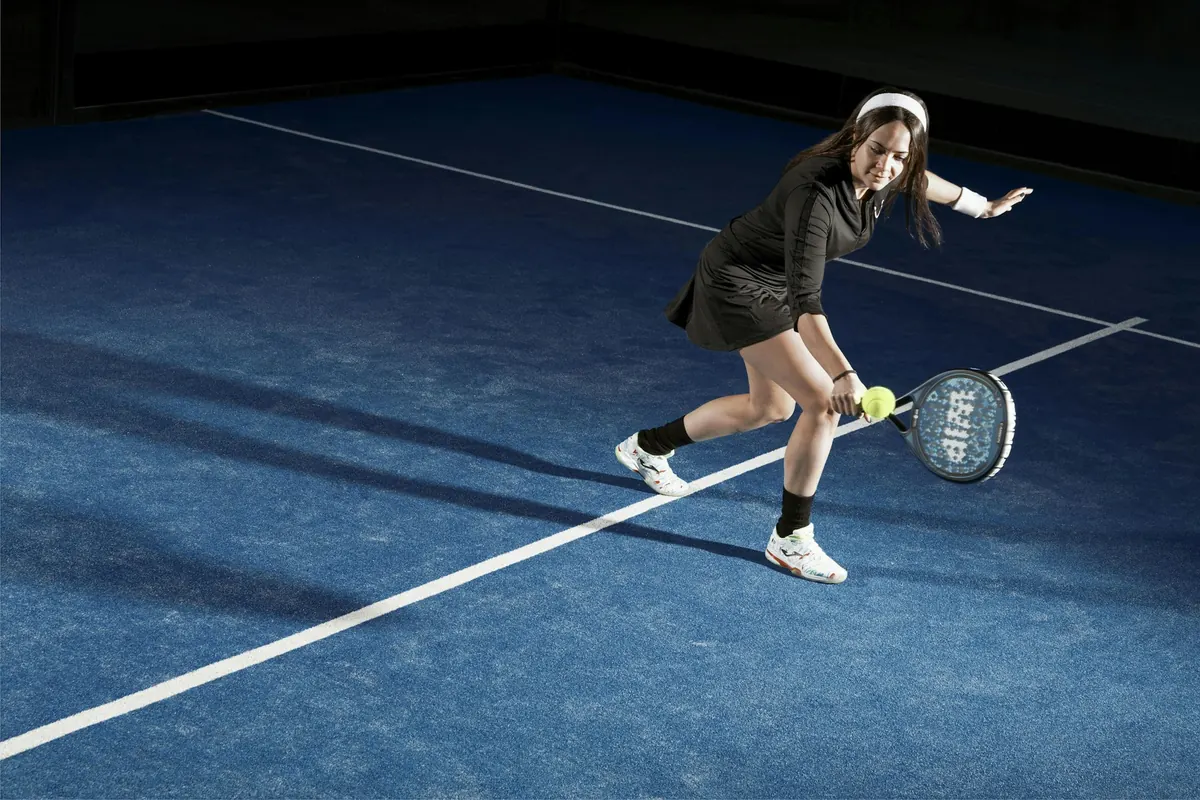
As in tennis, but shorter and more compact. In padel the aim is usually placement — into the gaps, at the feet, or down the middle — rather than raw power.
Bote pronto (half volley)
Hitting the ball immediately after it bounces, close to your feet. Common when a chiquita lands at your feet as you move forward.
Overheads: the padel specialities
| Shot | Spin / speed | Goal | Risk |
|---|---|---|---|
| Bandeja | Slice, medium pace | Keep the net, push opponents back | Low |
| Víbora | Sidespin, fast | Put pressure on, make the ball skid off the side glass | Medium |
| Rulo | Topspin, fast | Attack a lob that is too short for a bandeja | Medium |
| Remate (flat smash) | Flat, maximum pace | Win the point outright | High |
| Por 3 / Por 4 | Flat or topspin, very high bounce | Send the ball out of the court | High |
Bandeja
The signature padel shot. When the opponents lob you, you hit an overhead with the racket face slightly open, slicing the ball low and deep. The bandeja does not try to win the point — it keeps your team at the net, which is where points are won.
Víbora
The "viper": a faster, more aggressive version of the bandeja with heavy sidespin. Hit well, the ball skids low off the side glass and is very hard to return. Hit badly, it gives the opponents an easy ball.
Remate, por 3 and por 4
A flat smash rarely wins in padel because the back glass returns the ball. To finish the point, players hit the ball so hard that, after bouncing, it leaves the court:
- Por 3 (x3): the ball bounces and flies out over the side or back fence.
- Por 4 (x4): the ball bounces off the back glass and comes back over the net to the hitter's side.
Depending on the competition and the court, defenders may run out through the doors to play a ball that has left the court — one of padel's most spectacular sights.
Club-level tip: most amateurs smash too often. If the lob is deep, play a bandeja and keep the net; save the full smash for short, high lobs near the net.
Which shots should a beginner learn first?
- The lob — to move from defence to attack.
- Back-wall rebounds — let the ball come off the glass.
- Controlled volleys — placement over power.
- The bandeja — to stay at the net when lobbed.
- Only then: víbora and smashes.
The right racket helps: a forgiving round or teardrop shape makes lobs and bandejas easier — see round vs teardrop vs diamond. Then watch how the pros do it on our padel results and rankings.
Frequently asked questions
What is a bandeja in padel?
A bandeja is a defensive-to-neutral overhead hit with slice, played when the opponents lob you at the net. It is not meant to win the point: it sends the ball low and deep so you can keep your net position.
What is the difference between a bandeja and a víbora?
Both are overheads played from around the service line. The bandeja is flatter and more controlled; the víbora is hit faster with more sidespin, so the ball skids low off the side glass. The víbora is more aggressive but riskier.
What does por 3 and por 4 mean in padel?
They are smashes hit so hard that the ball leaves the court after bouncing. Por 3 (x3) sends the ball out over the side or back fence; por 4 (x4) makes it bounce back over the net to the hitter's side. Both usually win the point unless the opponents can run outside to play it where that is allowed.
What is a chiquita in padel?
A chiquita is a soft, low shot from the back of the court aimed at the feet of the opponents at the net. It forces them to volley upwards, giving your team a chance to move forward.